Inviting a dance
Many dancers use eye contact and a small nod—the cabeceo and mirada—because it allows both people to accept or decline discreetly. A friendly verbal invitation is also common in many London events.

Tango customs are not rules designed to exclude newcomers. At their best, they help people invite one another respectfully, share a crowded floor safely and create an enjoyable atmosphere.
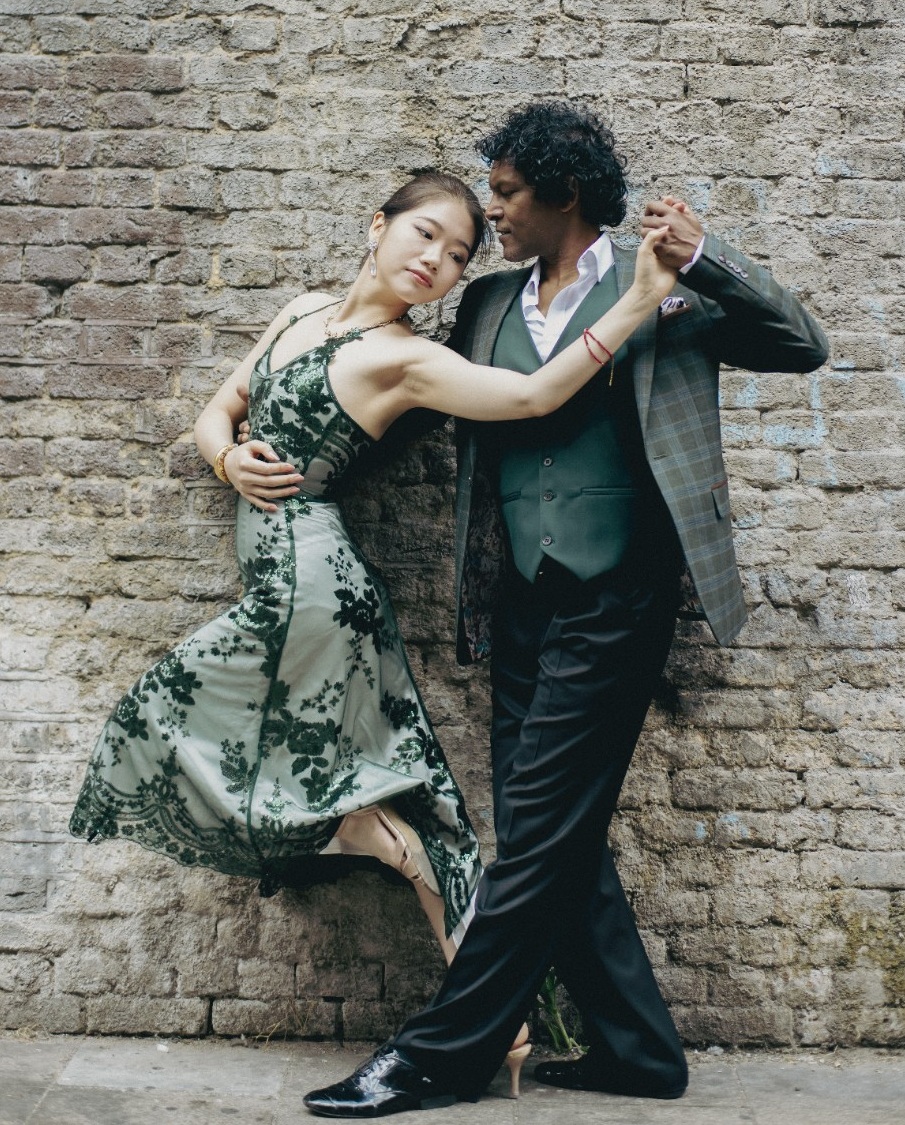
The experience is designed to make the next step obvious while quietly reflecting the depth of the wider Tango Amistoso community.
Many dancers use eye contact and a small nod—the cabeceo and mirada—because it allows both people to accept or decline discreetly. A friendly verbal invitation is also common in many London events.
A tanda is usually three or four songs of a similar style. Partners commonly dance the whole tanda, although either person may end the dance respectfully at any time.
Join the line of dance carefully, move with the flow, avoid overtaking unnecessarily and choose vocabulary appropriate to the available space.
An invitation is never an obligation. Comfort, boundaries and respectful behaviour matter more than convention.
The atmosphere is relaxed, while the dance floor benefits from a community that trains throughout the week and includes many experienced, long-term dancers.
Yes. Choose simple movements, pay attention to the line of dance and consider attending a class or practica first.
It is fine to decline politely or simply attend to listen and socialise.
Open the live timetable, explore a related page or contact us for guidance.